The 2026 WBF Christmas Ornament

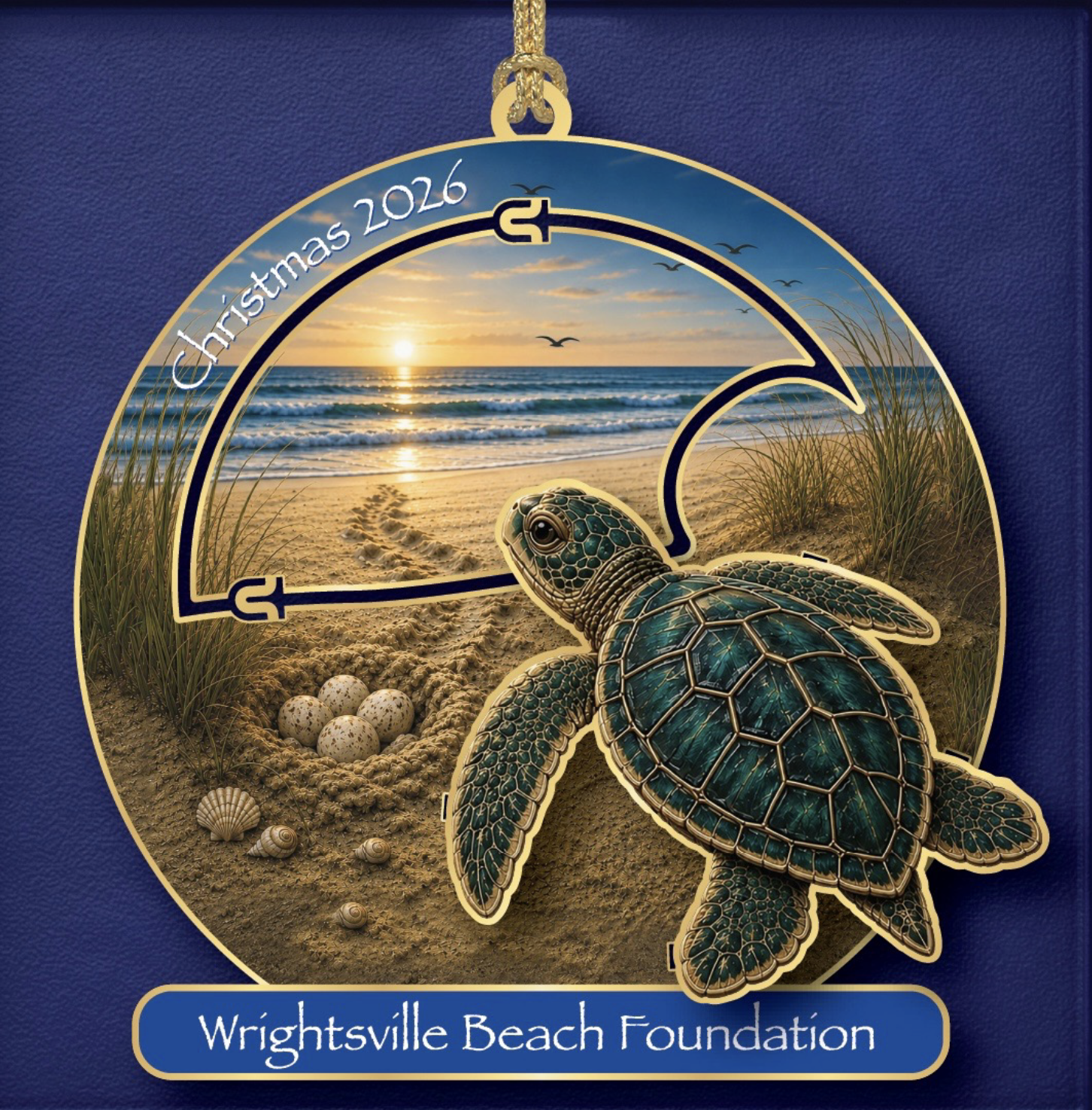
Wrightsville Beach Foundation Christmas Ornament 2026

For 2026, in keeping with the part of our mission to protect and nurture our natural habitat and the life that coexists with us on our beautiful coast line, the Wrightsville Beach Foundation turns its attention to our beloved sea turtles. You are probably aware that we share our beach with these majestic creatures, but do you know the history of turtles at Wrightsville Beach? Well now you will!


Sea turtle history at Wrightsville Beach, North Carolina, is defined by decades of grassroots conservation, fluctuating nesting numbers, and localized environmental shifts. As recently as the
1930’s, sea turtles were viewed more as a commodity than something to be protected. In 1938, a cannery in Marshallberg NC (the Cape Lookout area) turned to canning sea turtles (a delicacy for turtle soup) when they ran out of clams, oysters, or land crops for the cannery.
Canning sea turtles was stopped and they are now protected by strict laws that make it illegal to harm, harass, kill, or capture them, or to disturb their nests and eggs. In the United States, the cornerstone legislation is the Endangered Species Act (ESA) of 1973, which covers all regional species as threatened or endangered. North Carolina has its own statute aligning with the federal law. Under North Carolina General Statute § 113-189, it is illegal to willfully take, harm, disturb, or destroy any sea turtle, its nest, or its eggs.
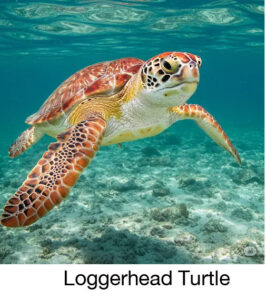
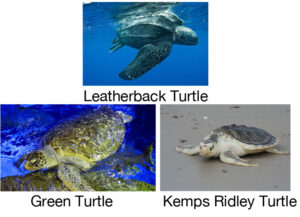
There are seven distinct species of sea turtles living in the world’s oceans today. They belong to two main families: the leatherback family (which has only one species) and the hard-shelled family (which has six species). Of these six, four live along our coast. The Loggerhead sea turtle is by far the most common turtle found on Wrightsville Beach, making up the vast majority of local nests. Other rare visitors that occasionally nest or swim off the North Carolina coast include Green sea turtles, Leatherbacks, and Kemp’s Ridleys. Nests are typically found May 1 through August 31 (with hatching continuing into November!)

Sea Turtle Conservation and Organizations

  • 1994: The Wrightsville Beach Sea Turtle Project was founded by Stephanie Carter to monitor and protect nesting marine life and their eggs.
  • 2004: Nancy Fahey took over as coordinator, and the group secured official federal 501(c)(3) nonprofit status, operating under permits from the North Carolina Wildlife Resources Commission.
  • Volunteers: Over 125 active volunteers patrol the sands at sunrise daily during the season to identify crawler tracks, rope off nests, and educate the public.
  • 1996: The Karen Beasley Sea Turtle Center got its start as The Topsail Turtle Project. It began and was organized by Karen Beasley. After Karen’s early death, the torch was passed on to her mother, Jean Beasley, the organization’s first Executive Director and Board Chair. The dream of a sea turtle hospital was realized through the tireless efforts of the Beasley family; their financial support; the support of the Topsail Turtle Project members; and the generous donations of money, time, and material from local residents, businesses, and visitors. After breaking ground in May 2010, the new Karen Beasley Sea Turtle Center in Surf City, NC opened its doors on November 7, 2013. After years of working in a crowded, cramped 900 square-foot space, caring for up to 40 turtles, KBSTC moved into its new 13,000+ square-foot building.

In addition to our local resources, the East Coast of the United States features several prominent sea turtle hospitals and rehabilitation centers that rescue, treat, and release sick, injured, or cold-stunned turtles. Key facilities span from New England down through Florida, handling everything from boat strike injuries to seasonal hypothermic stunning. These facilities include but aren’t limited to the New England
Aquarium, Fort Fisher Aquarium, South Carolina Aquarium, Georgia Sea Turtle Center, plus three facilities in Florida (Sea Turtle Hospital & Whitney Lab, the Loggerhead Marine Life Center, and Turtle Hospital of Key West).

Humans and hurricanes impact sea turtles differently. Hurricanes cause short-term nesting loss through flooding and erosion, but sea turtles survive them using natural instincts. Humans create long-term, severe survival threats through pollution, habitat destruction, and climate change.
How Hurricanes Affect Sea Turtles

  • Nest Flooding: Storm surges push seawater into nests, which can drown the developing eggs.
  • Beach Erosion: High waves wash away sand, destroying nests or leaving eggs exposed to predators and the sun.
  • Adult Safety: Adult sea turtles stay safe during storms by moving out into deeper, calmer ocean waters.
  • Natural Resilience: Females lay multiple nests across a season, meaning a single storm rarely wipes out an entire year’s reproduction.

How Humans Affect Sea Turtles

  • Habitat Loss: Building on coastal beaches removes safe nesting areas for females.
  • Pollution and Plastic: Turtles eat plastic or get trapped in marine debris. “Light” pollution is also a significant issue and beach property owners need to turn lights off at night so hatched babies can follow the moon and not their beach
    house lights. Note: Wrightsville Beach is updating its regulations through an ad hoc committee to tighten beachfront lighting rules, ensuring artificial lights are
    shielded, restricted to long wavelengths (amber/red), and not visible from the beach during nesting season. You can review local coastal guidelines via the Wrightsville Beach Coastal Wildlife Protection Guide.
  • By catch: Commercial fishing nets and hooks accidentally catch and drown many sea turtles. 
  • Climate Change: Warming air and sand temperatures skewhatchling sex ratios to mostly female, while rising seas shrink available nesting space. When combined with human pollution, stronger storms become much harder for
    populations to bounce back from.

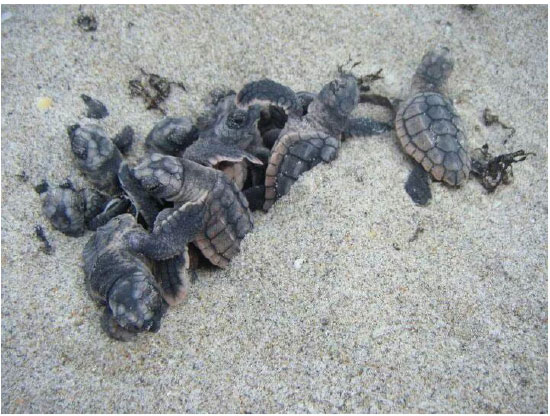
Turtle nest hatching aka “nest boil”.
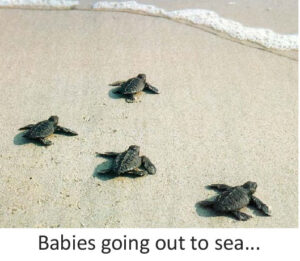
Only 1 in 1000 survive to adulthood.
How Humans Affect Sea Turtles

  • Habitat Loss: Building on coastal beaches removes safe nesting areas for females.
  • Pollution and Plastic: Turtles eat plastic or get trapped in marine debris. “Light” pollution is also a significant issue and beach property owners need to turn lights off at night so hatched babies can follow the moon and not their beach house lights. Note: Wrightsville Beach is updating its regulations through an ad hoc committee to tighten beachfront lighting rules, ensuring artificial lights are shielded, restricted to long wavelengths (amber/red), and not visible from the beach during nesting season. You can review local coastal guidelines via the Wrightsville Beach Coastal Wildlife Protection Guide. 
  • By catch: Commercial fishing nets and hooks accidentally catch and drown many sea turtles. 
  • Climate Change: Warming air and sand temperatures skew hatchling sex ratios to mostly female, while rising seas shrink available nesting space. When combined with human pollution, stronger storms become much harder for populations to bounce back from

Local Nesting Trends and Habitat Challenges

  • The Mason Inlet Shift: Following the relocation of Mason Inlet nearly a half-mile north in the early 2000s, local nest counts experienced a notable multi-year drop into single digits. Biologists theorized that altered offshore shoals, currents, or heavy beachfront development and artificial lighting impacted nesting behavior.
  • .Fluctuating Seasons: Because sea turtles operate on multi-year breeding cycles, annual nest counts vary wildly. After years of low numbers, the beach occasionally experiences “banner years” (such as 2016, which saw a sudden spike into double-digit nests after years of very few)

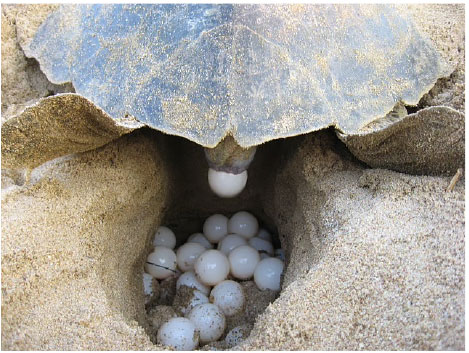
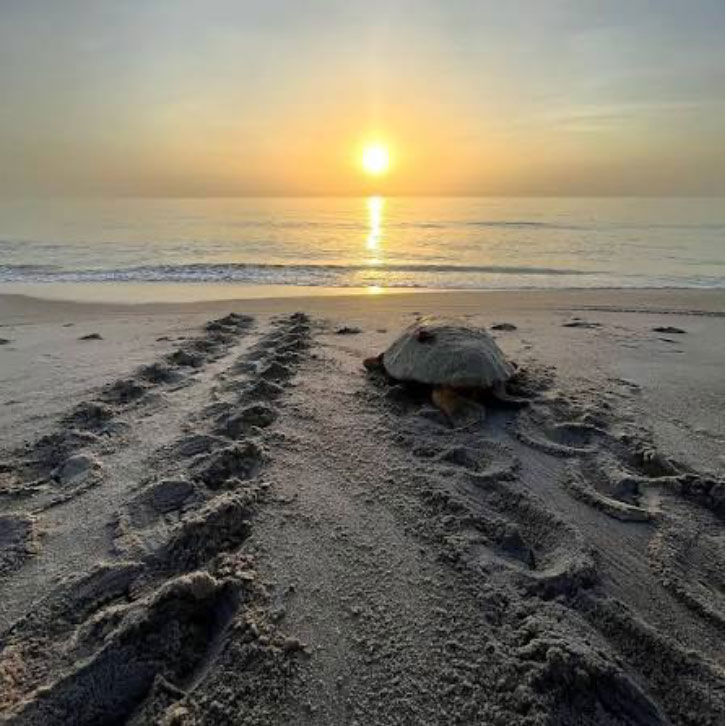
Above is a momma sea turtle heading back to sea after making a nest and laying her eggs. She won’t return to this nest. Her job there is done. However, on average, a female sea turtle lays between 2 and 7 nests (also called clutches) during a single nesting season. They usually lay a new nest every 11 to 15 days! And then she will take 2-3 nesting seasons off for a well deserved rest!

The Wrightsville Beach Foundation was founded in 2005 by a small group of residents who identified a gap between needed park amenities and funding to achieve those needs. A committee was formed, obtained a non-profit status, and began a membership drive and numerous fundraising efforts. Our annual Christmas Ornament is one of several important fundraisers needed to help us achieve our ongoing Mission. 

The Mission of the Wrightsville Beach Foundation is twofold:

  • Promote a partnership among residents, visitors and the Town of Wrightsville Beach in an effort to enhance recreationalopportunities, promote physical and mental wellness along with helping preserve and improve our beautiful coastal environment. 
  • Provide financial assistance within the county to educational and care giving organizations in need, especially during times of natural disaster.

By joining the Foundation and by gifting or collecting our annual ornament, you help us achieve our goals and benefit our community.